Why attendance is a safety system first
When a parent calls asking whether their child made it to practice, you need an answer in seconds — not after digging through a paper sign-in sheet in someone's car. Accurate, real-time attendance is how a program knows who is in the building, who left, and who they left with.
Small programs often treat attendance as paperwork to finish later. The strongest programs treat it as the moment the program takes responsibility for a young person.
Build a check-in routine that actually happens
The best attendance process is the one your staff and volunteers will use every single session, even on chaotic days.
- Use one check-in point per site so nobody slips through a side door uncounted.
- Record arrival and departure, and who picked the young person up when that applies.
- Make check-in fast: a roster on a phone or tablet beats a clipboard that has to be typed up later.
- Assign one named person per session who owns the roster.
Keep emergency information one tap away
Emergency contacts, allergies, medications, and pickup permissions should live with the roster, not in a separate binder at the main office. If staff take youth off-site for a game or field trip, that information needs to travel with them.
Review this information at the start of every program cycle and whenever a family tells you something has changed.
Use attendance patterns as an early warning
A young person who attended every week and then misses three sessions in a row is telling you something. Patterns like this are often the earliest sign that a family's transportation, schedule, or circumstances have changed.
Set a simple rule — for example, a staff member reaches out after two consecutive absences — and log the follow-up. That habit improves retention and gives you real stories about how your program supports families.
Turn daily attendance into reporting you can trust
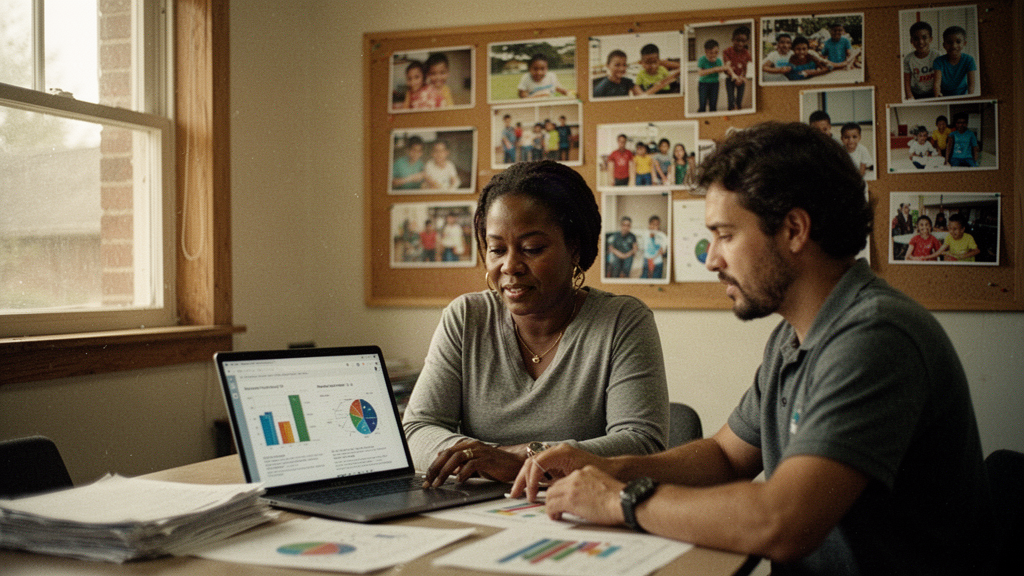
Funders and boards increasingly ask for participation data such as average daily attendance, retention across a program cycle, and dosage (how many hours each young person actually received). If attendance is captured consistently at the door, those numbers come straight from your records instead of end-of-year guesswork.
COMMON QUESTIONS
Frequently asked questions.
Sources
GO FURTHER